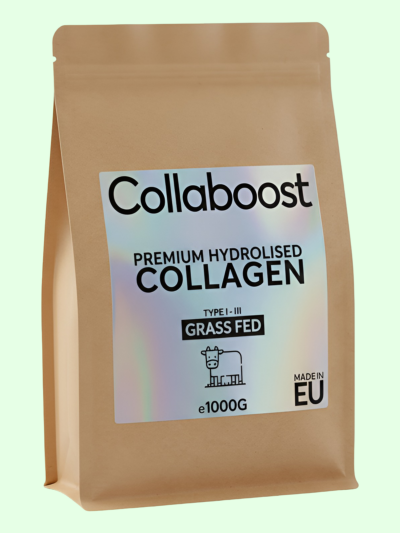
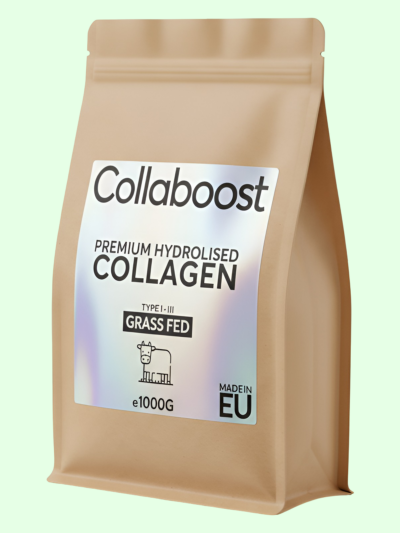
Collagen supplementation has become the basis of modern wellness routines, especially for skin, joint and connective tissue support. However, many overlook one important factor that determines how effective collagen actually is: vitamin C.
Without sufficient vitamin C, your body cannot efficiently synthesize or utilize collagen. This is why combining collagen with vitamin C is considered best practice by nutrition experts and supported by scientific research.
Why Vitamin C Is Essential for Collagen Production
Vitamin C (ascorbic acid) plays a direct biochemical role in collagen synthesis. It is required for the hydroxylation of proline and lysine, two amino acids that stabilize and strengthen collagen fibers.
Without adequate vitamin C:
- Collagen synthesis slows down
- Newly formed collagen is weaker and less stable
- Skin and connective tissues lose structural integrity
This relationship is so fundamental that vitamin C deficiency historically caused a condition marked by collagen breakdown.
What Happens When You Take Collagen Without Vitamin C?
Hydrolysed collagen provides the raw building blocks (amino acids), but vitamin C acts as the activation key.
Without vitamin C:
- Collagen peptides are absorbed, but less efficiently used
- Skin and joint benefits may be limited
- Long term results are reduced
This doesn’t mean collagen alone is useless, but it does mean you are not maximizing its potential.
Benefits of Taking Collagen With Vitamin C
1. Improved Skin Firmness and Elasticity
Vitamin C enhances collagen cross-linking, leading to:
- Firmer skin structure
- Improved elasticity
- Reduced appearance of fine lines over time
This combination supports skin from both a structural and antioxidant perspective.
2. Stronger Joints, Tendons and Ligaments
Collagen forms the structural framework of connective tissue, while vitamin C:
- Supports tissue repair
- Reduces oxidative stress in joints
- Aids recovery after physical strain
This is especially beneficial for active individuals and athletes.
3. Enhanced Absorption and Utilization
When collagen and vitamin C are consumed together:
- Collagen synthesis is more efficient
- Amino acids are better incorporated into tissues
- Overall effectiveness increases with the same dosage
In other words, you get more value from the same supplement.
4. Antioxidant Protection
Vitamin C helps protect existing collagen from breakdown caused by:
- UV exposure
- Inflammation
- Oxidative stress
This helps preserve collagen already present in the body.
How Much Vitamin C Should You Take With Collagen?
For optimal collagen synthesis:
- Vitamin C: ~200 mg per day
- Hydrolysed collagen: ~10 grams per day
These amounts are commonly used in clinical studies and daily supplementation protocols, although you should base your dosage on your personal situation and lifestyle. Especially with vitamin C, higher dosages may be needed based on how active you are and on what kind of lifestyle you have, up to ~1000 mg (1 gram) per day.
Best Ways to Combine Collagen and Vitamin C
You can support collagen synthesis by:
- Taking collagen with a vitamin C supplement
- Mixing collagen into citrus based smoothies
- Consuming collagen alongside foods that are rich in vitamin C, such as oranges, kiwi, berries or bell peppers
Remember: Consistency matters more than timing!
Who Benefits Most From This Combination?
Collagen + vitamin C is especially beneficial if you:
- Are over the age of 25
- Want to actively support skin aging more gracefully
- Exercise regularly
- Experience joint stiffness or slow recovery
- Are often exposed to high stress situations
Final Thoughts: Collagen Works Best With the Right Support
Hydrolysed collagen provides the building blocks, but vitamin C ensures those blocks are properly assembled.
If you are investing in collagen supplementation, pairing it with vitamin C is one of the simplest and most effective ways to enhance results and support long term skin, joint and connective tissue health.

Frequently Asked Questions About Collagen and Vitamin C
Why is vitamin C important for collagen production?
Vitamin C is essential for collagen synthesis because it activates enzymes that stabilize and strengthen collagen fibers. Without sufficient vitamin C, your body cannot efficiently convert collagen amino acids into functional collagen.
Does collagen work without vitamin C?
Yes, collagen can still be absorbed without vitamin C, but it is less effectively used by your body. Vitamin C significantly improves how collagen peptides are converted into skin, joint and connective tissue collagen.
How much vitamin C should you take with collagen?
For optimal collagen synthesis, most experts recommend ~ 100 mg of vitamin C per day with ~ 10 grams of hydrolysed collagen. These amounts are commonly used in nutritional research.
Should collagen and vitamin C be taken at the same time?
Collagen and vitamin C can be taken at the same time, but timing is less important than daily consistency. Taking them together may slightly improve collagen utilization, especially when taken with food.
Can you get sufficient vitamin C from food alone?
Many can meet their vitamin C needs with food, such as citrus fruits, berries, kiwi and bell peppers. However, supplementation can help ensure consistent intake, especially for individuals with higher collagen needs.
Who benefits most from combining collagen with vitamin C?
This combination is especially beneficial for adults over ~ 25. Physically active individuals, health & beauty enthusiasts focused on skin aging prevention and those exposed to high stress and/or sun exposure (UV radiation), just to name a few examples.
Is it safe to take collagen and vitamin C every day?
Yes. High quality hydrolysed collagen and vitamin C are generally safe for daily, long term use in healthy adults when consumed within recommended amounts.
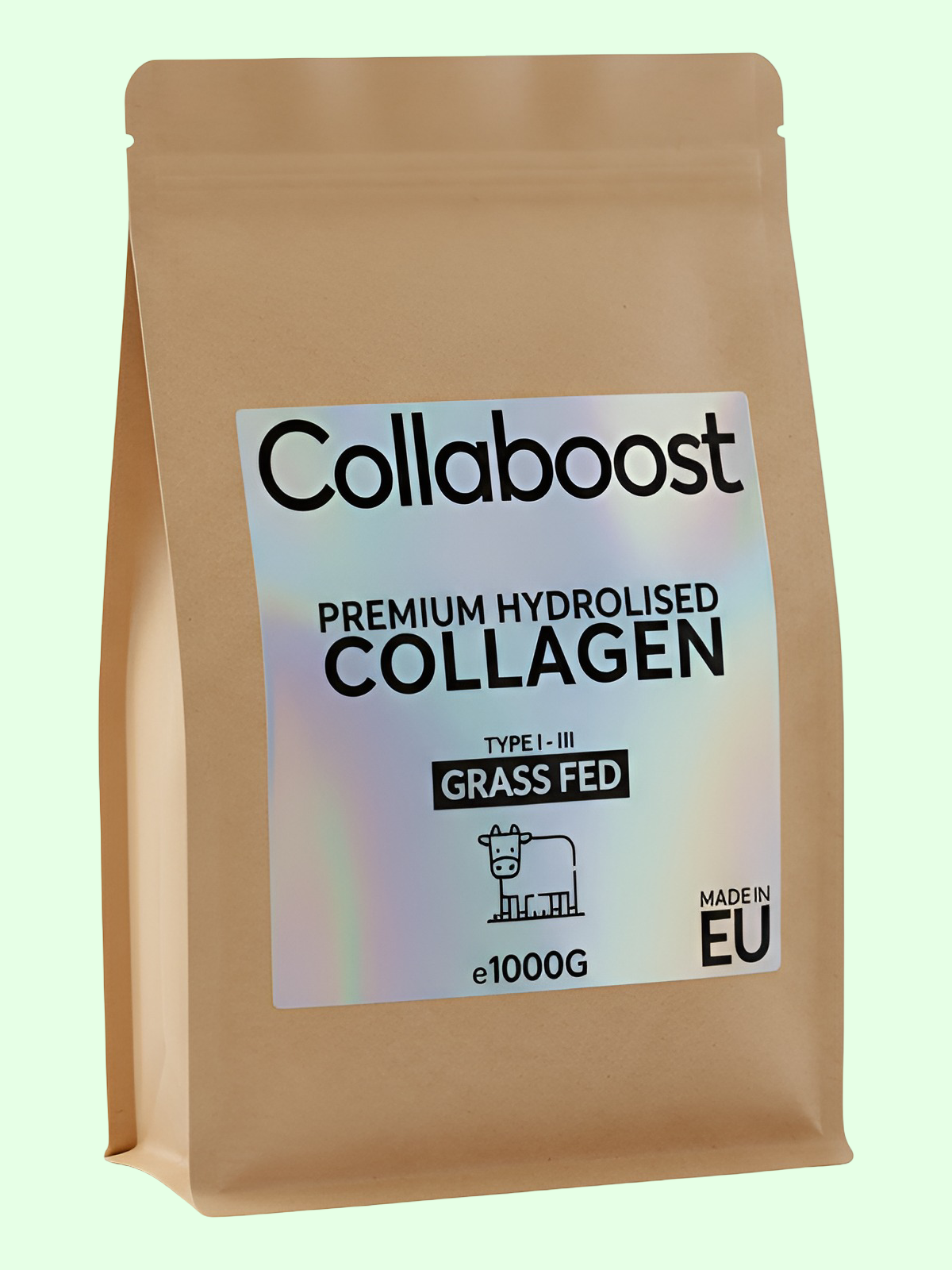
In stock
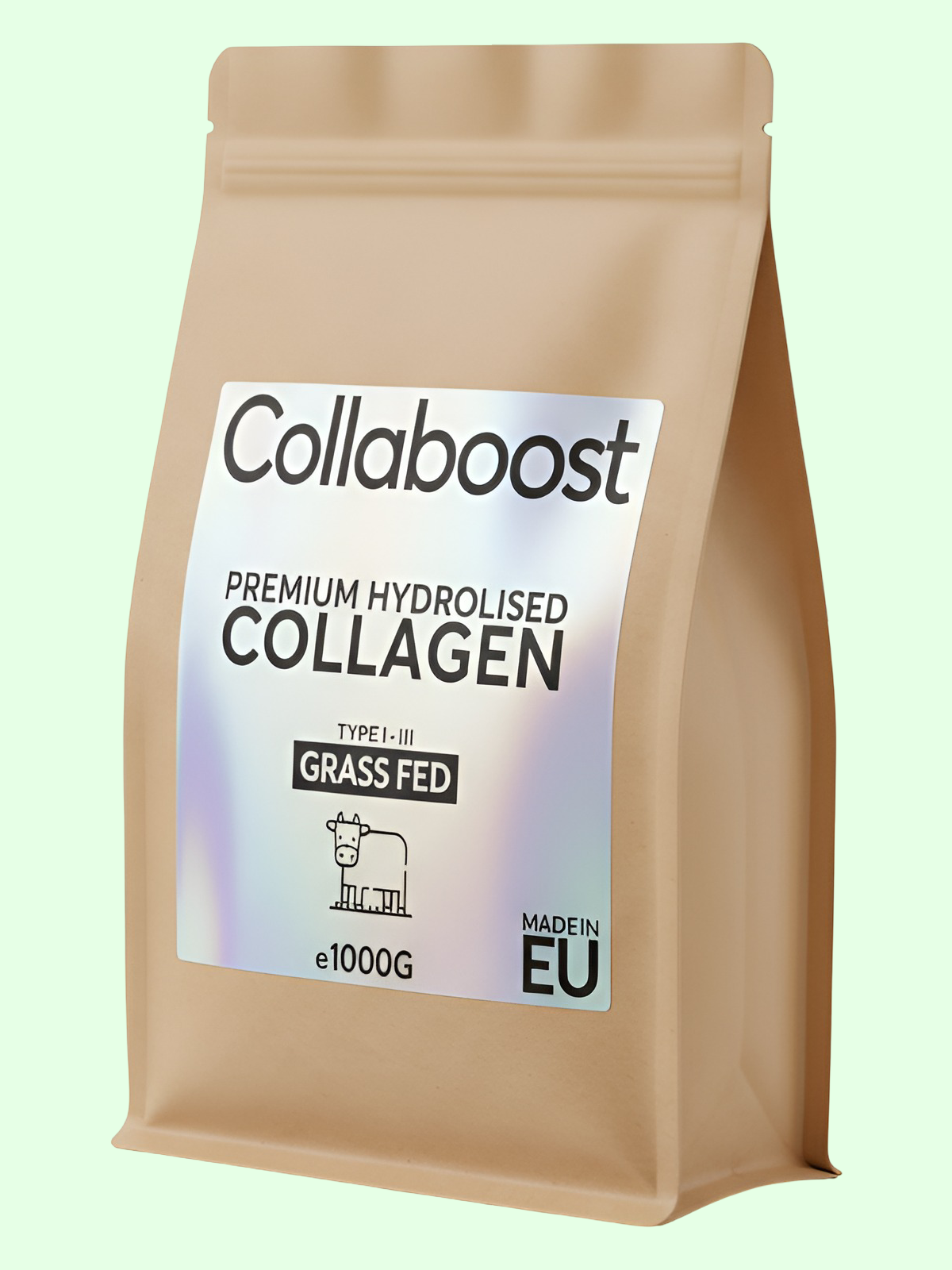
Hydrolised Bovine Collagen
€ 39,95
Collaboost® 100% grass fed and halal hydrolised collagen powder.