A solid routine to Skin & Connective Tissue Support
Hydrolyzed bovine collagen (Type I & III), low molecular weight hyaluronic acid and vitamin C are favorites when it comes to researched nutrients for supporting skin health, joint function and connective tissue integrity.
Individually, each ingredient offers targeted support. Together, they create a strategic, layered system that addresses structure, hydration and collagen activation at the same time.
This article explains how they work, alone and in synergy, and why this combination is widely used in advanced skin and joint formulations.
What Is Hydrolyzed Bovine Collagen (Type I & III)?
Hydrolyzed bovine collagen is derived from cow connective tissue and broken down into smaller peptides. This hydrolyzed form improves digestibility and allows collagen peptides to be efficiently absorbed and distributed all over your body.
Type I and Type III collagen are the most abundant forms in skin and connective tissue.
- Type I collagen Supports skin firmness and is the primary structural protein in skin, bones, tendons and ligaments.
- Type III collagen supports skin elasticity, arteries, internal organs and soft tissues for overall vitality.
After approximately age 25, natural collagen production gradually declines. Supplementation provides the specific amino acids, including glycine, proline and hydroxyproline, that support connective tissue structure.
Potential Benefits of Type I & III Collagen
Research suggests collagen peptide supplementation may support:
- Improved skin elasticity for firmer, more resilient looking skin
- Visibly smoother skin texture and reduction in the appearance of fine lines and wrinkles
- Stronger, faster growing nails that resist brittleness
- Improved joint comfort and flexibility, especially during movement
- Support for bone and tendon strength as part of long term structural health
Rather than acting as a cosmetic treatment, collagen works from within by supporting your body’s connective tissue matrix.
Why Low Molecular Weight Hyaluronic Acid Matters
Hyaluronic acid (HA) is a naturally occurring molecule found in your skin, joints and connective tissue. Its primary function is water retention, it can bind up to 1,000 times its own weight in water. This makes it essential for maintaining hydration, lubrication and tissue flexibility.
Why Molecular Size Is Important
Low molecular weight (LMW) hyaluronic acid has a smaller particle size compared to high molecular weight forms. This allows for enhanced interaction at the tissue level when taken orally.
Potential Benefits of LMW Hyaluronic Acid
Low molecular weight hyaluronic acid may support:
- Deep, lasting hydration from within
- Plumper, more supple looking skin
- Improved skin smoothness and softness
- Enhanced joint lubrication for smoother movement
- Support for your skin’s natural moisture barrier
Hydration plays a critical role in how collagen fibers function. Without sufficient moisture, skin may appear dull and less elastic.
The Role of Vitamin C in Collagen Synthesis
Vitamin C is the key that unlocks your body’s natural collagen production, helping to strengthen and stabilize collagen fibers for visible results. Without sufficient vitamin C, collagen synthesis becomes impaired.
In addition to enabling collagen formation, vitamin C:
- Activates the enzymes required for stable collagen production
- Helps protect collagen fibers from oxidative breakdown
- Contributes to antioxidant protection against free radicals
- Supports brighter, more even looking skin tone
- Helps protect connective tissues from oxidative stress caused by environmental factors
Including vitamin C alongside collagen ensures your body has the necessary biological support to form structurally sound collagen.
Synergy: Why This Combination Works Better Together
While each ingredient offers individual benefits, their combined effect creates a strong support system.
How the Synergy Works
1. Vitamin C activates collagen synthesis
It enables your body to produce and stabilize new collagen fibers.
2. Hydrolyzed collagen provides the building blocks
It supplies the structural amino acids required for connective tissue renewal.
3. Low molecular weight hyaluronic acid supports hydration
It enhances the moisture environment in which collagen fibers function optimally.
Together, this creates:
- Structural support
- Hydration support
- Collagen activation
- Antioxidant protection
By addressing multiple biological pathways at the same time, this combination offers a more comprehensive path than any single ingredient alone.
This is why it is increasingly used in effective, science backed formulations.
What Makes This Combination Advanced?
This formulation is considered advanced because it:
- Supports multiple pathways involved in connective tissue health
- Combines structure (collagen), hydration (HA) and activation (vitamin C)
- Includes Type I & III collagen, the dominant collagen types in skin
- Uses low molecular weight hyaluronic acid for enhanced tissue interaction
- Incorporates vitamin C to optimize collagen synthesis efficiency
Rather than focusing on a single process, it supports the connective tissue matrix as a system.
What Research Suggests
Published studies on collagen peptides have reported:
- Improvements in skin elasticity after 8 to 12 weeks of supplementation
- Increased skin hydration levels
- Reduction in wrinkle depth with consistent use
Research on oral hyaluronic acid has shown:
- Improvements in skin moisture levels
- Enhanced skin smoothness
Vitamin C research confirms:
- Its essential role in collagen cross linking, meaning that it promotes collagen synthesis.
- Its importance in protecting collagen from oxidative degradation
While individual responses vary, consistent daily supplementation is commonly associated with measurable improvements over time.
Who May Benefit Most From This Combination?
This formulation may be particularly relevant for:
- Individuals noticing early signs of skin aging or wanting to stay ahead of its curve
- Adults over 25 experiencing gradual collagen decline
- Active individuals seeking joint support, flexibility and mobility
- Those that want to minimize or eliminate effects from environmental stressors
- Individuals looking for a comprehensive ‘from within’ skin support routine
Tips for Best Results
- Take consistently for at least 8 to 12 weeks to see visible results
- Maintain adequate daily hydration to support optimal tissue function
- Combine with a balanced, nutrient rich diet
- Follow recommended dosage guidelines
Consistency is key when supporting connective tissue structure and aiming for visible results!

Frequently Asked Questions (FAQ)
What is hydrolyzed bovine collagen?
Hydrolyzed bovine collagen is collagen derived from cow connective tissue that has been broken down into small peptides for improved absorption. It typically contains Type I and Type III collagen, which support skin, joints and connective tissues.
How does low molecular weight hyaluronic acid help skin and joints?
Low molecular weight hyaluronic acid has a smaller particle size that enhances tissue interaction. It supports skin hydration and joint lubrication, contributing to moisture retention and flexibility.
Why is vitamin C important for collagen production?
Vitamin C is required for collagen synthesis. It stabilizes collagen fibers, supports proper cross linking and provides antioxidant protection to connective tissues.
Can this combination improve skin elasticity?
Research suggests that consistent supplementation with collagen peptides, low molecular weight hyaluronic acid and vitamin C may support improvements in skin elasticity and hydration over time.
How long does it take to see results?
Many studies observe measurable improvements after 8 to 12 weeks of daily supplementation. Individual results may vary depending on age, lifestyle and baseline collagen levels.
Final Thoughts: A Strategic, Inside Out Strategy
Hydrolyzed bovine collagen (Type I & III), low molecular weight hyaluronic acid and vitamin C each support a distinct aspect of connective tissue health.
- Collagen provides structural amino acids
- Hyaluronic acid supports hydration and lubrication
- Vitamin C enables and stabilizes collagen synthesis
By addressing structure, hydration and biological activation at the same time, this combination offers a comprehensive strategy to support skin elasticity, moisture balance and connective tissue resilience. Thus, supporting you in becoming your best version with radiant and glowing skin!
When used consistently as part of a balanced lifestyle, it provides a strategic inside out foundation for long term skin vitality.
In stock
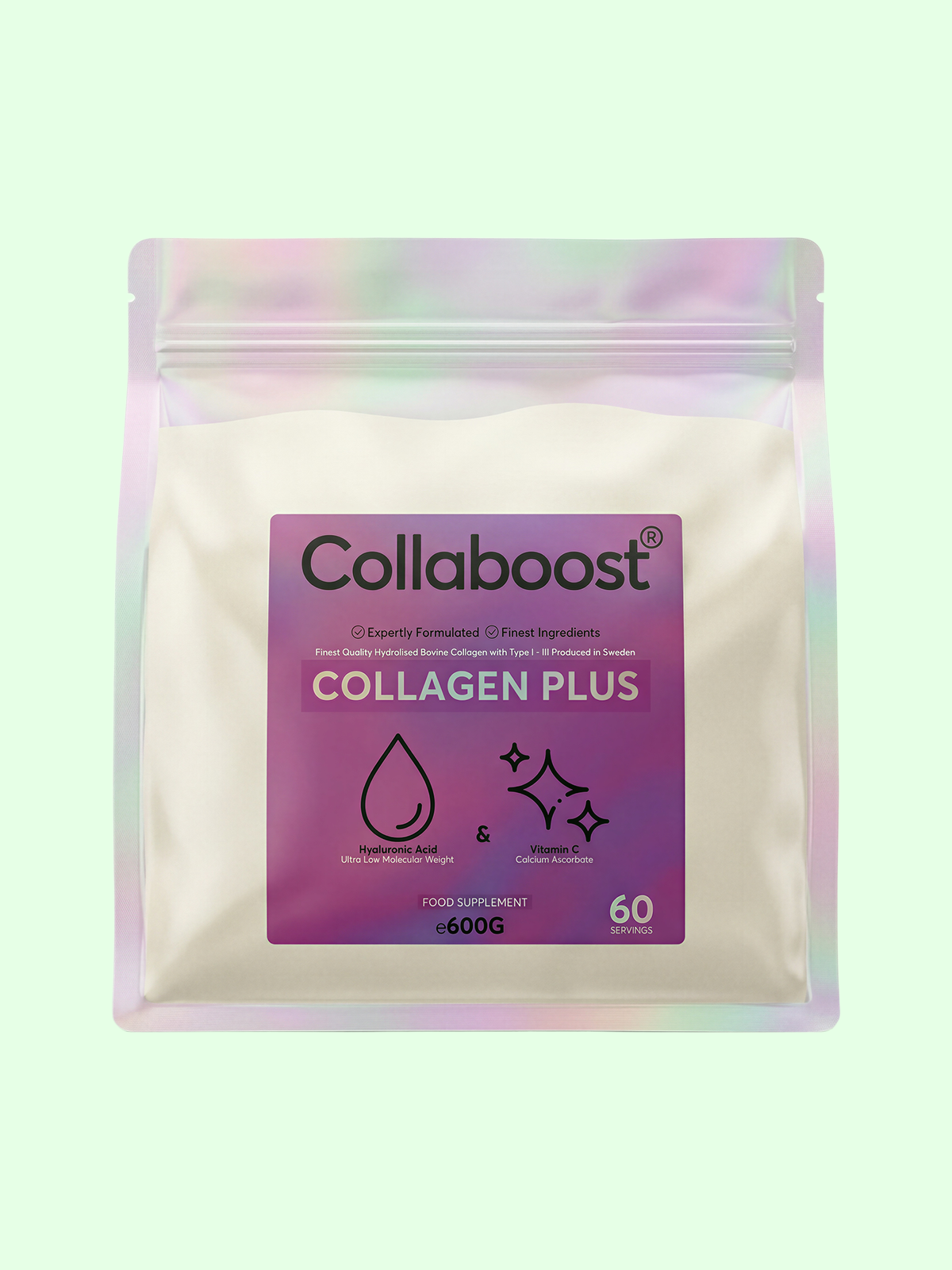
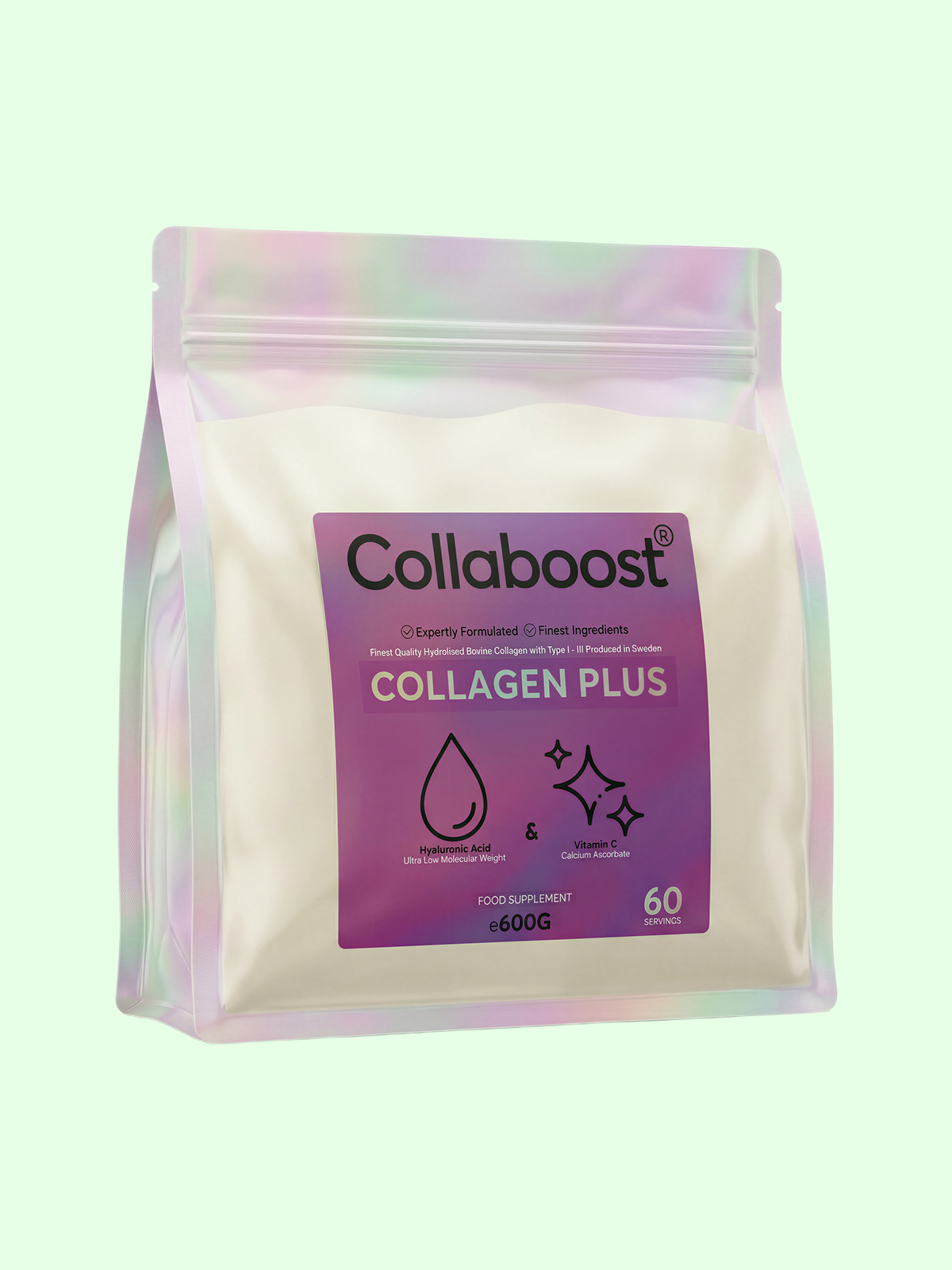
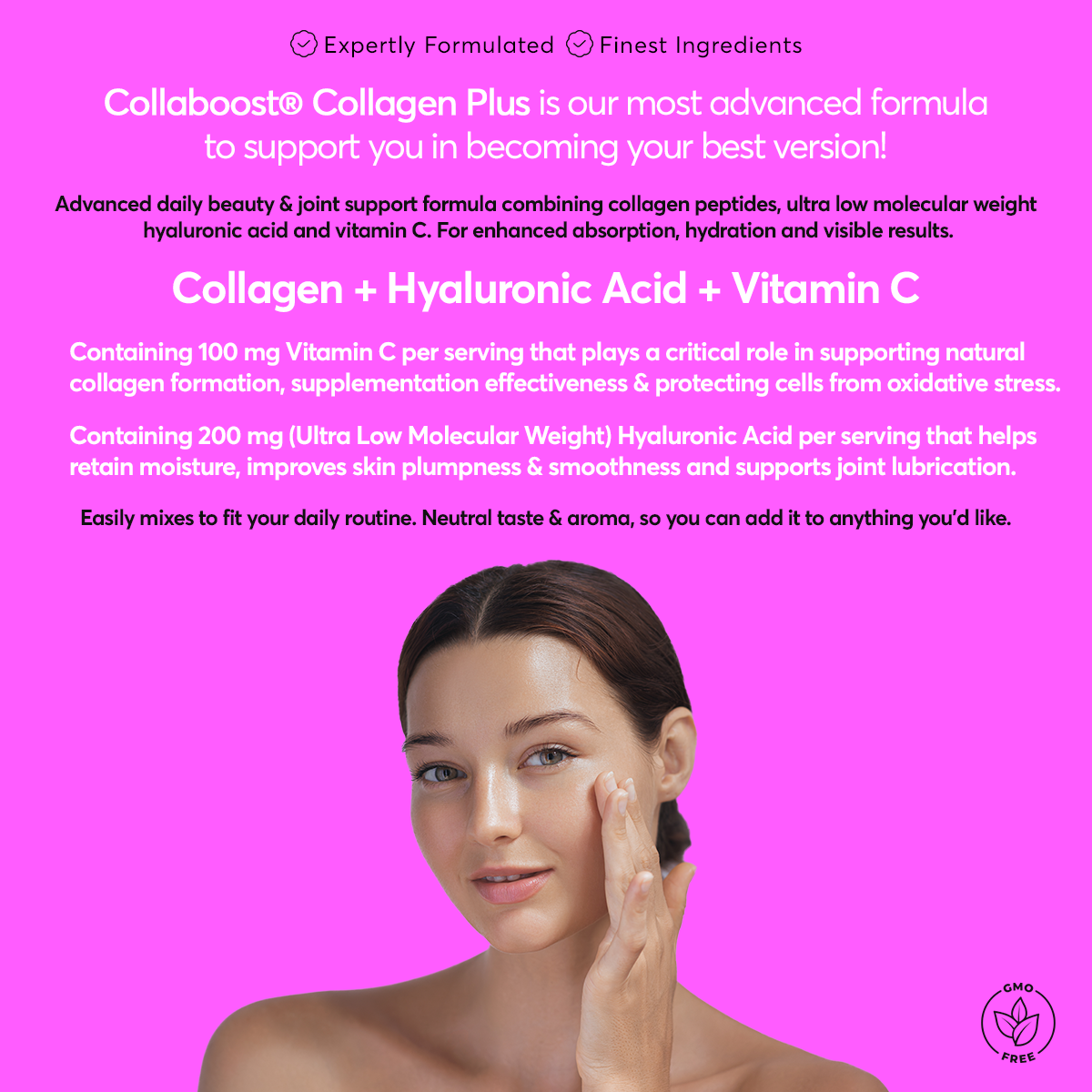
Collagen Plus with Hyaluronic Acid & Vitamin C
€ 44,95
Collaboost® 100% grass fed and halal hydrolised collagen with ultra low moleculair weight Hyaluronic Acid and Vitamin C